

Are you looking for the right tools and solutions to handle user consent for data collection? Managing consent is crucial for complying with data privacy regulations like GDPR and CCPA and building trust with your users. It can seem overwhelming, but understanding the available options can make the process much smoother.

Key Takeaways:
- Consent Management (Data) is vital for legal compliance and building user trust.
- Effective tools automate consent collection, storage, and preference updates.
- Choosing the right solution depends on your business size, budget, and technical requirements.
- Proper implementation enhances user experience and demonstrates a commitment to privacy.
What is Consent Management (Data) and Why Does it Matter?
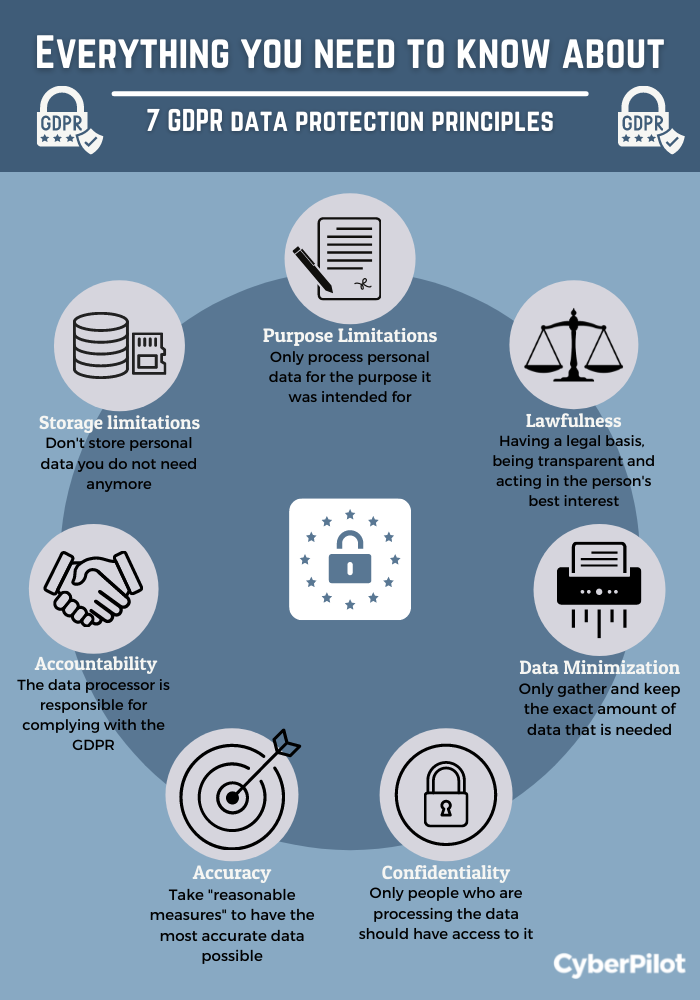
Consent Management (Data) refers to the processes and technologies organizations use to obtain, record, and manage user consent for the collection, processing, and sharing of their personal data. It’s no longer optional; it’s a legal requirement in many jurisdictions. Regulations like GDPR in Europe and CCPA in California demand that businesses obtain explicit consent from users before collecting their data, inform them about how their data will be used, and provide them with the ability to withdraw their consent easily.
Beyond compliance, effective Consent Management (Data) demonstrates a commitment to respecting user privacy. When users feel in control of their data, they’re more likely to trust your business and engage with your services. This trust can lead to increased customer loyalty, brand reputation, and ultimately, business success. Failing to properly manage consent can result in hefty fines, reputational damage, and loss of customer trust – all things we want to avoid. We must prioritize transparent and user-friendly consent practices.
Types of Consent Management (Data) Tools Available
The market offers a wide range of Consent Management (Data) tools, each with its own features and capabilities. Here’s a look at some common categories:
- Consent Management Platforms (CMPs): These platforms are designed to centralize and automate consent management processes. They typically include features for creating consent banners, recording consent preferences, managing user consent withdrawals, and generating reports on consent data. CMPs are often a good fit for larger organizations that need to manage consent across multiple websites, apps, and marketing channels.
- Cookie Consent Tools: These tools focus specifically on managing cookie consent. They help websites comply with cookie laws by displaying cookie banners, allowing users to accept or reject different types of cookies, and providing information about the cookies being used. These are often simpler and more affordable than full-fledged CMPs, making them a good option for smaller businesses.
- Privacy Management Software: Some privacy management software includes consent management functionality as part of a broader suite of tools for managing data privacy compliance. This can be a good option for organizations that want a single solution for managing all aspects of their privacy program.
- Custom-Built Solutions: For businesses with very specific needs or technical expertise, it’s possible to build a custom consent management solution. This offers the most flexibility but also requires significant development effort.
Key Features to Look for in Consent Management (Data) Solutions
When selecting a Consent Management (Data) solution, consider the following features:
- Customizable Consent Banners: The ability to create consent banners that match your brand and are easy for users to understand is essential. You should be able to customize the text, design, and placement of the banner.
- Granular Consent Options: Give users control over the types of data they consent to share. For instance, allow them to accept functional cookies but reject marketing cookies.
- Consent Recording and Storage: The solution should securely record and store user consent preferences, along with a timestamp and other relevant information. This is crucial for demonstrating compliance.
- Consent Withdrawal Mechanism: Users should be able to easily withdraw their consent at any time. The solution should provide a clear and straightforward way for them to do so.
- Integration Capabilities: The solution should integrate seamlessly with your existing website, apps, and marketing tools. This is crucial for ensuring that consent preferences are respected across all channels.
- Reporting and Analytics: Look for a solution that provides reports on consent data, such as the number of users who have given consent, the types of data they have consented to share, and the rate of consent withdrawals.
Implementing Consent Management (Data) Effectively
Choosing the right tool is only the first step. Effective implementation is crucial for maximizing its benefits. Here are some best practices:
- Clearly Explain Data Usage: Be transparent about how you collect, use, and share user data. Provide clear and concise information in your privacy policy and consent banners. We must ensure users understand what they’re agreeing to.
- Make Consent Opt-In: Avoid pre-ticked boxes or other tactics that could be interpreted as forcing consent. Users should actively choose to give their consent.
- Respect User Preferences: Ensure that consent preferences are consistently respected across all your systems and processes.
- Regularly Review and Update: Data privacy regulations are constantly evolving, so it’s important to regularly review and update your consent management practices to ensure compliance. As new technologies and regulations emerge, we must adapt our strategies to stay ahead.
- Provide Easy Access to Settings: Users must be able to easily access and modify their consent settings. Make this option readily available on your website or application.
By carefully selecting and implementing Consent Management (Data) tools, you can comply with regulations, build trust with users, and create a more privacy-friendly online environment. By Consent Management (Data)